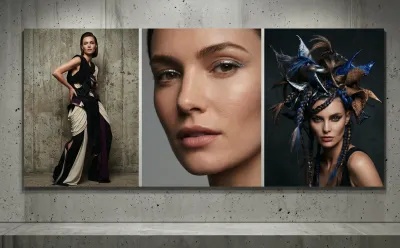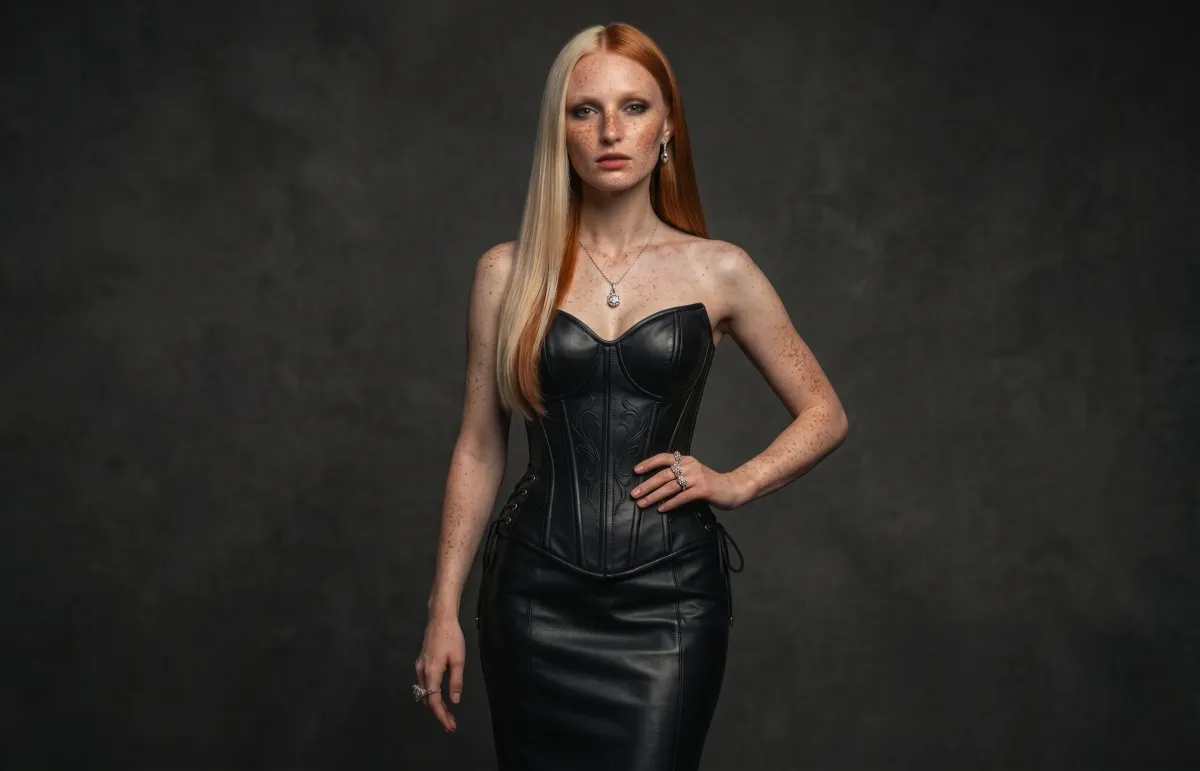
The 2010s era "unique features that get models booked" lists named specific aesthetic attributes (full lips, defined cheekbones, long legs) as the path to standout casting. The 2026 casting reality is substantially different: brands and editorial increasingly cast for distinctive presence rather than for specific physical attributes, and the representation work that has shifted casting since 2018 broadened what "distinctive look" actually means in working casting decisions. This article covers what casting directors, brand creative teams, and agency bookers actually mean by "distinctive look" in 2026, with honest description of what gets cast and why.
What "distinctive" actually means today
Authentic specificity over conventional beauty. The single biggest casting shift since 2018 is that casting directors now actively look for models whose look reads as specific and authentic rather than as generically attractive. The model who looks like nobody else in the casting pool gets cast over the model who looks like a more conventionally polished version of an existing model archetype. This is partly representation driven (audiences want to see people who look like them) and partly differentiation driven (brands need their visual content to stand out in saturated feeds).
Strong individual features that read on camera. Specific physical attributes that the camera reads clearly: distinctive jaw structure, specific eye shape or color, strong brow, defined facial bone structure, particular hair texture, specific skin tone. These are what casting directors mean when they say "she has a great face for the camera." Not conventionally most beautiful, but visually distinctive.
Aesthetic identity that fits a niche. Casting increasingly happens within niches: alt fashion casting wants models with alt aesthetic identity; fitness casting wants models who look like they actually train; plus size casting wants models who present authentically in their size range; mature casting (50+) wants models with confident character rather than youthful softness. Distinctive look means fitting your niche specifically rather than fitting a generic "model" template.
Visible character and presence. The phrase casting directors use is "screen presence" or "the camera reads them." Some models photograph as visible personalities; others photograph as bodies wearing clothes. The difference is partly trainable (working pros develop on camera presence deliberately) and partly innate. Casting directors evaluate this in test shots and casting tape; presence often matters more than aesthetic perfection.
Representation that fits the brand audience. Brands increasingly cast for representation match with their target audience: ethnicity, age range, body type, ability, gender expression. The casting brief specifies who the brand wants to see in the campaign because they want their audience to see themselves. Models whose representation matches in demand audiences book more than models who fit conventional aesthetic standards but do not match audience representation goals.
Personality features that matter alongside aesthetics
Beyond physical features, the personality attributes casting directors and brand teams increasingly identify as casting differentiators:
Genuine warmth. Models whose face softens in a real way during interaction (not the practiced commercial smile) read warmer on camera. Brands marketing to consumers want warmth that feels real; the practiced version reads as fake to contemporary audiences. Models who naturally produce warmth get cast for the work that needs it.
Confidence without arrogance. Confidence is a real casting attribute (it shows in posture, eye contact, voice). Arrogance tells (it shows in how the model treats production staff, how they respond to direction). Casting directors evaluate the difference; the model who is confident but easy to work with books over the model who is more conventionally beautiful but reads as difficult.
Curiosity and engagement. Models who ask substantive questions about the brand, the campaign, the creative direction signal that they will engage with the work as collaborators rather than just executing the booking. Brand creative teams increasingly value collaboration over execution; the curious engaged model wins repeat work.
Distinctive voice or speaking presence. For video content (now standard across most segments), spoken voice is part of the casting. Models with distinctive voices (specific accent, particular cadence, real character in spoken delivery) book over models with generic neutral voices for campaigns that involve any speaking element.
The 2018 era "unique features" framing assumed specific physical attributes were the path to distinctive casting. The 2026 reality is that "distinctive" means authentic specificity (look, identity, presence, voice) rather than specific physical features. Models whose look and presence reads as genuinely themselves book at higher rates than models who try to fit generic beauty standards. The shift has actually broadened the set of models who can build successful careers; the narrow physical specifications that excluded many models from fashion in earlier decades matter less in contemporary casting.