A modeling portfolio in 2026 is a different artifact than it was 10 years ago. The traditional physical book of printed images still exists for some agency contexts but is no longer the primary portfolio format. Working models maintain digital portfolios across multiple channels: a personal website or hosted portfolio, an Instagram feed serving as a public portfolio, agency book entries, and direct to client marketplace profiles. The portfolio question has evolved from "how do I make a great book" to "how do I maintain a coherent body of work across the channels where clients actually look."
This article covers what an effective modeling portfolio looks like in 2026, the realistic content mix, the production approach that produces shots clients actually want to see, and the platform specific considerations for each channel.
What goes in a 2026 portfolio
15 to 25 strong shots, not 100 mediocre ones. The single most common mistake new models make is including too many images. A casting director scanning a portfolio decides in 30 to 60 seconds whether to keep looking; a tight 15 to 25 image selection produces better outcomes than a sprawling 75 image collection. Cut ruthlessly. Every image should represent a distinct mood, look, or capability. Repeat looks dilute the impression rather than reinforcing it.
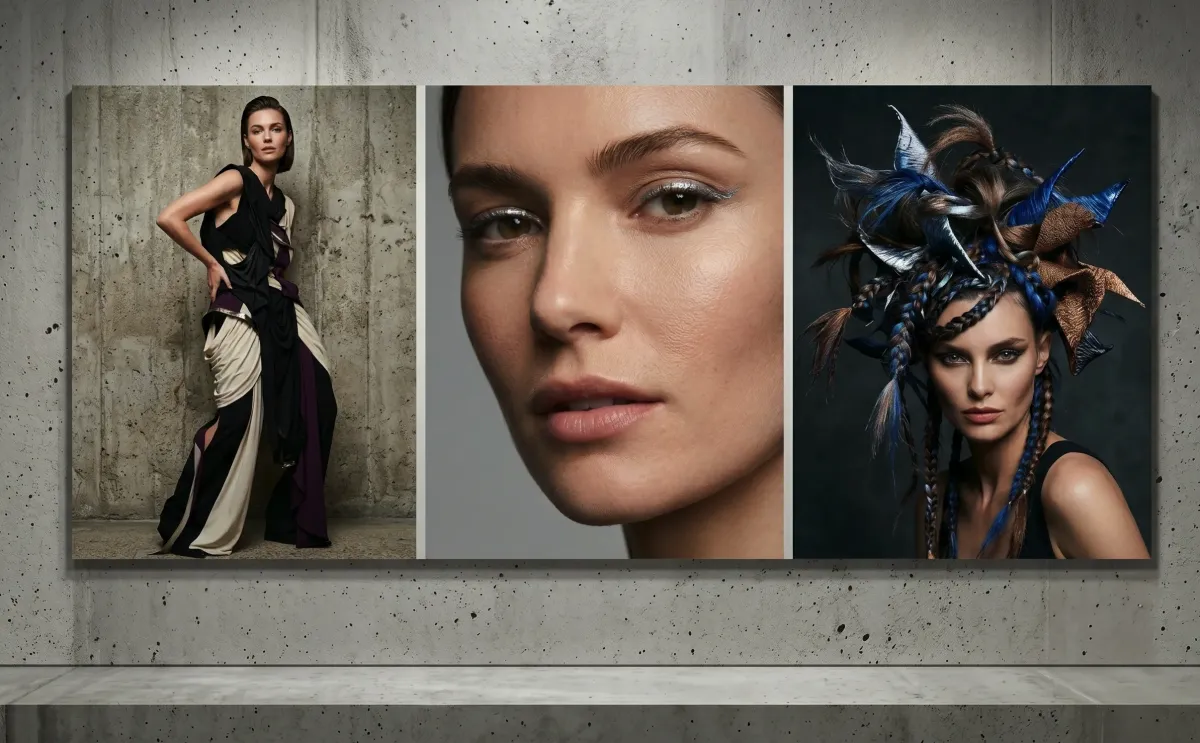
Range across the shots. The portfolio should communicate that you can deliver different things. A working portfolio for commercial work typically includes: a clean beauty shot, a smiling lifestyle shot, an editorial moody shot, a swimwear or fitness shot if relevant, a wardrobe variety shot, and a professional headshot. Editorial portfolios go heavier on stylized concept shots; commercial portfolios go heavier on relatable lifestyle work. Match the content to the work you want.
Real production quality. Phone photos, candid shots, and unedited images do not belong in the working portfolio. Even early career models should invest in 1 or 2 professional shoots with experienced photographers to produce 8 to 15 high quality images that anchor the portfolio. The math: a single good shoot at 300 to 800 dollars produces images that work for 6 to 24 months of casting submissions and direct booking. The cost is real but the return on professional quality is meaningfully higher than the cost.
Variety across photographers and styles. A portfolio with all images from one photographer reads as either inexperienced or limited to one creative collaboration. Working with 3 to 5 different photographers across the portfolio builds out a record of working with different creative teams, which signals professionalism and range.
Recent work. Images more than 18 to 24 months old start to look dated, especially as styling and aesthetic norms shift. Refresh the portfolio every 12 to 18 months at minimum. The lead images on your channels should be from the past 6 to 12 months whenever possible.
Channel by channel portfolio strategy
A working portfolio in 2026 lives across several channels, each with its own conventions:
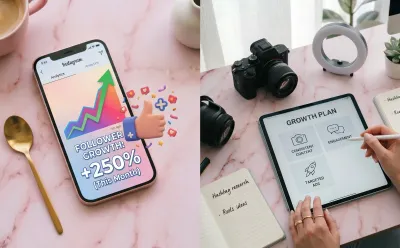
Instagram feed: the most public facing portfolio. Casting directors check this before extending offers. The grid should function as a curated visual portfolio: the top 9 to 12 images visible on first scroll should be your strongest work. Avoid mixing professional shots with casual personal content if Instagram is your primary public portfolio. If you want a personal account, keep it separate.
Personal website or portfolio host: a more comprehensive portfolio with full image collections, editorial breakdowns, contact information, and any video work. Particularly valuable for editorial and commercial career paths where deeper portfolios matter. Hosted portfolio sites (Carbonmade, Format, Squarespace) work for most models who do not want to build a custom site.
Agency books and digital portfolios: if you have agency representation, the agency maintains a working book that gets shown to clients. Make sure the agency book reflects current strong work and matches the segments your agency books you for.
Direct to client marketplace profiles: platforms like BookModels show your work to clients booking directly. Treat these as primary portfolio channels: complete profiles with strong primary images, accurate measurements, clear segment focus, and current availability.
TikTok and short video: increasingly relevant for commercial and creator work. A few well produced short video clips showing you in motion, on set, or in different situations adds dimension that static portfolios cannot.
The portfolio is not a one time creation; it is ongoing professional infrastructure. Maintain it like a working pro rather than treating it as a project that gets completed and then sits. The portfolio that gets refreshed quarterly outperforms the portfolio that gets built once and left alone, every time.