"Modeling" in 2026 is a much broader category than the public picture suggests. The traditional image of fashion editorial work and runway shows still describes a real segment of the industry, but it is a relatively small slice of the total. The current modeling industry includes traditional fashion, commercial advertising, brand activation and event work, social media driven creator partnerships, subscription content platforms, and direct to client marketplace bookings. Each segment has its own economics, its own career path, and its own realistic pay ranges.
This article is the overview: what modeling actually is in 2026, what working models actually do, and what the realistic income and career picture looks like across the major segments. Other articles in this library go deeper on specific topics; this one is the orientation.
What modeling actually is in 2026
At the broadest level, modeling is selling something using your appearance, presence, and ability to follow direction in front of a camera or audience. The thing being sold varies enormously: a clothing brand, a vacation destination, a software product, a subscription service, a candidate's political message, a music video aesthetic. The work ranges from highly produced fashion editorials shot over multiple days with full creative teams to 30 minute brand activation appearances at a trade show booth.
The major segments and what each pays:
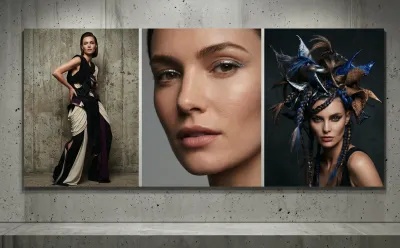
Fashion and editorial. Magazine editorials, runway shows, designer campaigns. The most prestigious segment, the most concentrated geographically (NYC, LA, Paris, Milan, London, Tokyo), and traditionally the lowest paid for early career models. Editorial day rates often start at 250 to 1,000 dollars; established editorial models earn substantially more through campaign work attached to the editorial relationships. The career builds slowly but produces the most durable industry reputation.
Commercial and advertising. Print and video advertising, catalog work, e commerce product modeling, in store campaign assets. Larger total dollar volume than fashion. Day rates typically 500 to 5,000 dollars depending on usage rights, with national campaign rates reaching higher. Often the working middle of the industry where consistent income emerges.
Promotional and brand activation. Trade shows, conventions, brand activations, event modeling, sampling programs. The largest segment by booking volume in the United States. Hourly rates typically 25 to 75 dollars, with some specialty roles paying higher. Steady week to week work for active models in major event markets.
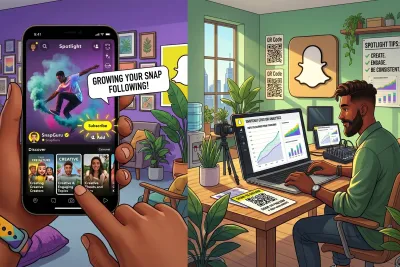
Social media and creator partnerships. Brand sponsored content, ambassadorships, paid creator partnerships. Did not exist meaningfully a decade ago, now one of the largest segments by total dollars spent. Realistic per partnership rates range from 50 dollars (nano tier, often product only) to 15,000+ dollars (macro tier with strong engagement). See the dedicated influencer articles for the detailed economics.
Subscription content. OnlyFans, Fansly, Patreon. A real revenue stream for working models with substantial tradeoffs around future booking opportunities in some traditional segments. Working creators in this segment routinely earn 1,500 to 15,000 dollars monthly; top tier creators substantially more.
Specialty. Hand modeling, foot modeling, fitness, plus size, alt fashion, mature, body double work, parts modeling, atmosphere modeling. Each is its own micro economy with its own rate norms and casting patterns.
How careers actually develop
The realistic career arc for a working model in 2026 looks more like a small business than the public picture of "discovered, signed, famous." The first 12 to 24 months are mostly investment: building portfolio, finding the channels that work for your segment and market, bridging the financial gap between starting and stabilizing. Years 2 to 5 are when consistent income emerges for models who treat the work seriously and use multiple booking channels in parallel. Years 5+ for working pros who have built reputation typically include established client relationships, agency representation in the segments that need it, and predictable monthly income that the legacy "starving model" narrative undersells.
Modeling is a real career path with real economics, real career stages, and real long term reward for people who treat it as a business. The 2018 era framing of "either you become a fashion editorial star or you fail" was incomplete: a large working middle of the industry exists, books consistently, and earns reasonable income across the segments above. The first step is understanding which segments fit your specific look, geography, and goals; the second is building the channels (agency, marketplace, social, direct) that produce work in those segments. Other articles in this library cover the specifics. This one is the map.