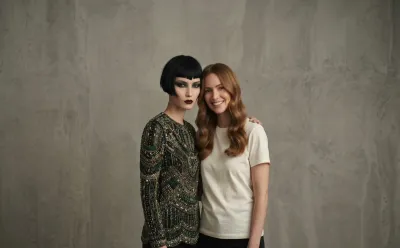
Test shoots and TFP (trade for prints, sometimes trade for portfolio) are the bedrock of portfolio building for photographers and models early in their careers, and continue as a useful tool for established photographers building new directions. The dynamic only works when both sides actually get value, and a meaningful percentage of test shoots fail that bar.
When TFP makes sense
TFP works when both parties have a portfolio gap they're trying to fill and the work directly fills it. A photographer wanting to build out an editorial portfolio shoots a model wanting to build out the same. Neither pays the other; both leave with images they can use.
TFP doesn't work when one party is bringing professional value and the other is bringing the promise of "exposure". Photographers shooting paid client work and trying to use TFP framing to avoid paying talent are running a scam, and experienced talent recognizes it instantly. Same in reverse: a model with a portfolio at industry-pro level shooting with a photographer whose work doesn't level up is doing the photographer a favor, not the other way around.
The honest test: would the resulting images go into both portfolios as work both parties are proud of? If yes, TFP makes sense. If no, someone should be paying.
How to brief and execute
The brief for a test should be tighter than for a paid shoot, not looser. You're both giving up a day; clarity makes the day pay off. Include: the concept and why it's worth shooting, reference images (mood, not literal), the location and time, who else will be there, expected duration, and the deliverable structure (when do raws or selects come back, how many edited finals, usage rights for both sides).
Usage rights are where TFP shoots most often go wrong. Default that works for most: both parties get unlimited use for self-promotion (portfolio, social, website). Neither party can sell or license the images to third parties without the other's written consent. Neither party can edit the other's edits in ways that misrepresent them. Put it in writing, even casually, before the shoot.
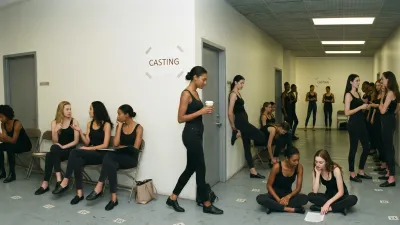
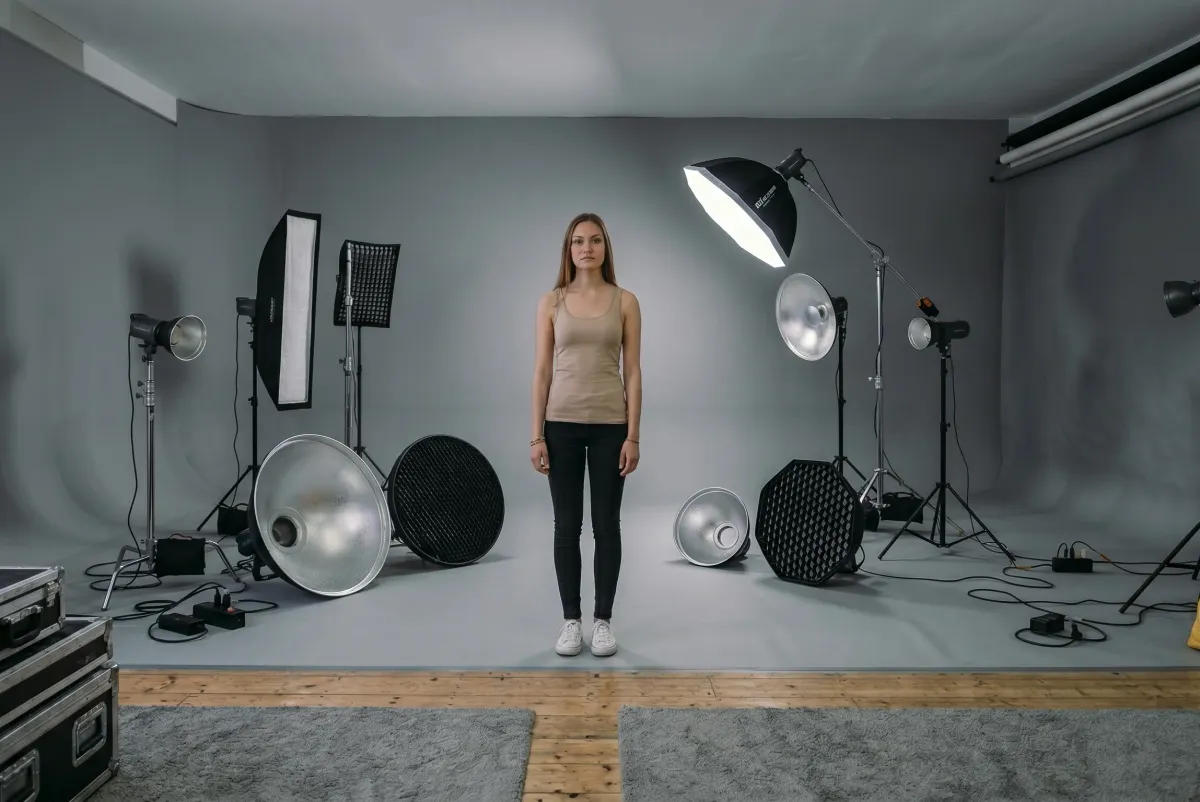
Treat the test like a paid shoot in execution. Call sheet, on-time arrival, real breaks, professional set behavior, deliver the edits within the agreed window. The discipline of running a test like a real shoot is part of what makes the test valuable: both parties walk away having proven they can work professionally, which is itself a portfolio item.
Tests are leverage. Done well, a single strong test shoot generates portfolio images that book paid client work for both the photographer and the model for the next year. Done poorly, they're a wasted Saturday for both. The difference is preparation and respect for the other person's time, not budget or production scale.