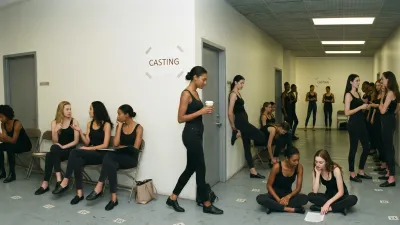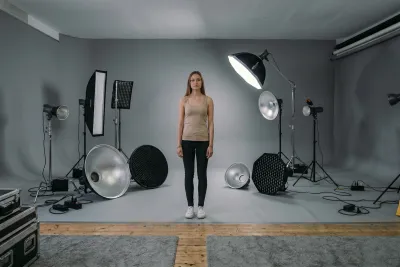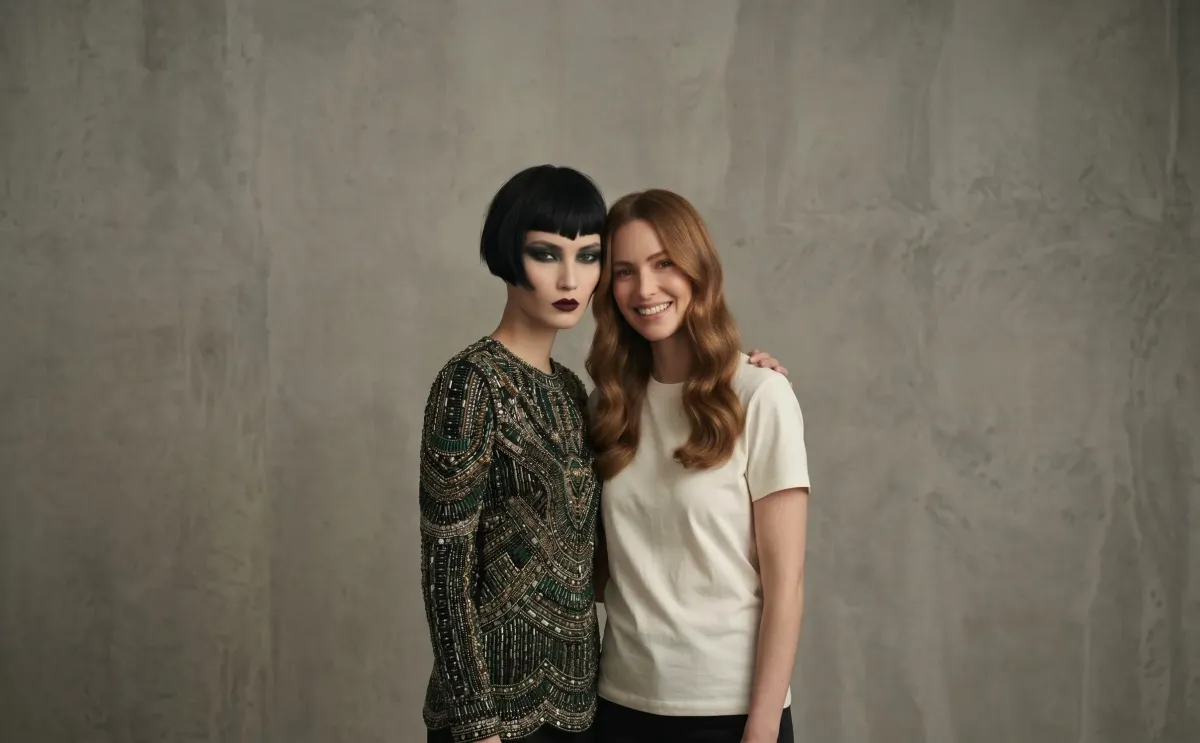
Casting for editorial and casting for commercial are different disciplines that share a vocabulary. Photographers working across both have to switch modes when they cast, brief, and direct, and the failure mode is treating one like the other: editorial treated as commercial loses the spark, commercial treated as editorial loses the brand.
What changes between the two
The look. Editorial casting trends toward unconventional features, strong individual presence, and faces that stop a viewer scrolling a magazine spread. Commercial casting trends toward broader appeal, a face that reads as approachable to a wide audience, and demographic representation that aligns with the brand's customer. Both are skills; neither is inherently better. They're tools for different jobs.
The rates and rights. Editorial pays modest day rates plus usage that's sometimes structured as residuals when the publication has a rate card. Commercial pays straight day rates, often higher, with broad usage rights bundled in. Read the licensing terms carefully because the same model on the same day can be paid radically differently depending on the structure.
The brief. Editorial briefs lean conceptual and atmospheric ("Tension between control and chaos, late afternoon light, isolated figure in formal wear in a kitchen"). Commercial briefs lean specific and outcome-focused ("Confident woman, mid-30s, in our brand colorway, holding the product naturally, three to five usable hero shots and ten supporting frames"). Talent calibrates differently to each.
How to cast each
For editorial, prioritize portfolio over reel. You're casting for a frame, and the talent that has worked editorially has frames in their book that show whether they have the presence the shoot needs. Skip the polish-perfect commercial portfolios for editorial briefs; they're not the same skill.
For commercial, prioritize range over standout. The talent has to deliver against a brief that the brand has approved, sometimes with on-set client representatives requesting adjustments in real time. Look for portfolios with multiple commercial credits across different brand styles; that range tells you they can take direction and adapt to a client brief without losing the take.
The casting pools overlap but aren't identical. Talent that primarily does editorial often doesn't enjoy the commercial brief discipline, and vice versa. Asking in the initial conversation "is your portfolio mostly editorial or mostly commercial" gives a useful self-selection signal, and most working talent will be honest about where they're stronger.
The right cast for an editorial brief and the right cast for a commercial brief are usually different people, and trying to use one for the other is the most common reason photographers feel like the talent didn't deliver. Match the cast to the brief discipline, and the rest of the shoot becomes much easier.