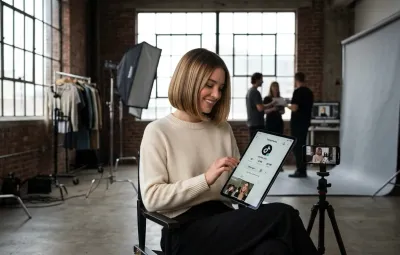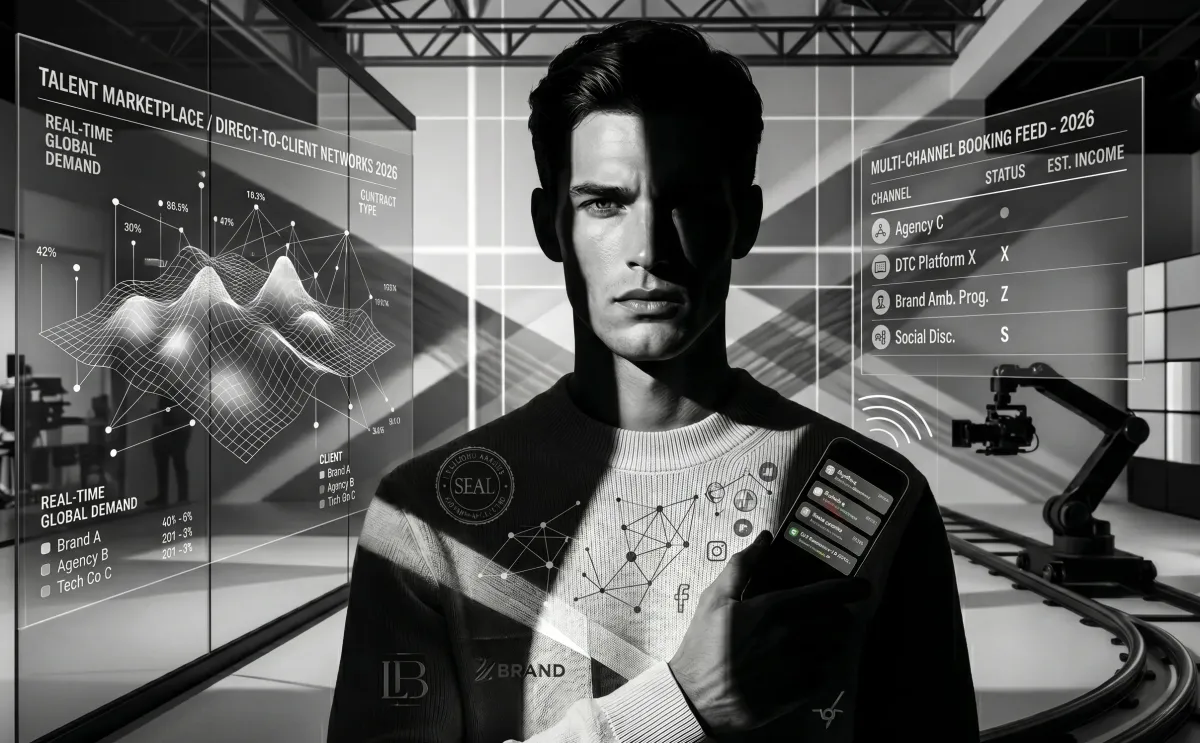
The "how do models find work" question has a different answer in 2026 than it did 10 years ago. The traditional path (sign with an agency, wait for the agency to send you to castings) is still real but no longer the only or even the most common path. The current landscape includes traditional agencies alongside direct to client marketplaces, social media discovery, brand ambassador programs, and a working middle of the industry that books much of its work through none of the routes the old advice describes.
This article covers the realistic ways working models actually find and book work in 2026. The honest answer is: most working models use 3 or 4 channels in parallel, not one.
The channels that actually produce bookings
1. Direct to client marketplaces. Platforms like BookModels let clients (brands, photographers, event organizers, advertisers) browse and book models directly without an agency middleman. This channel did not exist meaningfully 10 years ago and now produces a substantial share of bookings for working models, particularly in the promotional, brand activation, commercial, and lifestyle segments. The economics: lower per booking commission than agencies (often nothing or a small platform fee vs. an agency's 15 to 25 percent), faster booking cycles, and direct relationships with clients that compound over time.
2. Modeling agencies. Still the dominant channel for fashion, editorial, and high end commercial work. The math: agencies bring relationships with clients you would not reach directly, screening that legitimizes your portfolio for prestige clients, and structure (paperwork, payments, dispute resolution) that protects against the friction of direct booking. The cost: 15 to 25 percent commission on every booked job, exclusivity clauses that limit other channels, and a sometimes opaque selection process for which models get sent to which castings. Worth it for the segments where agency relationships meaningfully open doors; less essential for segments where direct booking works.
3. Social media discovery. Instagram, TikTok, and increasingly Pinterest are real booking channels. Casting directors, brand managers, and stylists actively browse these platforms for talent. The DM is now a legitimate booking channel for commercial, brand activation, and creator partnership work. Models who maintain professional accounts with clear contact info in bio capture this inbound flow; models who treat social as personal expression do not.
4. Direct outreach to known clients. Approaching photographers, brands, and casting directors directly with a portfolio works in segments where the relationships are smaller scale (alt fashion, niche commercial, regional work). This is the slowest channel to start but compounds over years as relationships mature. Working pros maintain relationships with 5 to 20 reliable client contacts who book repeatedly.
5. Industry referrals. Photographers refer models to other photographers; brands refer models to sister brands; agencies sometimes refer models to other agencies for jobs they cannot fit. This is invisible to outsiders but produces a meaningful share of bookings for models who have been in the industry 3+ years and have a reputation for being reliable.
Why running multiple channels matters
The single biggest mistake new models make is committing to one channel and waiting for it to produce all their work. Agency representation alone leaves you dependent on that agency's casting relationships and can produce months of dead time between bookings. Direct to client marketplaces alone work for some segments but miss the prestige work that flows through agencies. Social media alone produces inbound interest but at unpredictable rhythm.
The working pattern that produces consistent bookings: agency representation in the segments that need it, direct to client marketplace presence for steady promotional and commercial work, professional social media presence to capture inbound, and direct relationships with 5 to 20 repeat clients. Each channel covers gaps the others leave. Models running 3 to 4 channels in parallel report meaningfully more consistent income than models running 1.
The other mindset shift worth making: this is a business. Treating it as such (tracking inquiries, following up consistently, maintaining a CRM style record of client contacts, invoicing properly, paying quarterly taxes) separates working pros from people who treat modeling as a hobby they hope pays. The infrastructure work is unglamorous and produces no immediate visible return, but it compounds over years into a sustainable career.